 Türkçe
-
PROJECTS
- ABOUT US
-
DEPARTMENTS
- Silviculture Department
- Department of Forestry Law
- Watershed Management Department
- Department of Soil Science and Ecology
- Department of Forestry Policy
- Department of Forest Entomology and Protection
- Department of Forest Management
- Department of Forest Botany
- Department of Forestry Economics
- Department of Forestry Construction and Transportation
- Department of Surveying and Cadastre
- EDUCATİON AND TRAINING
- QUALITY
- INTERNAL CONTROL
- MÜDEK
- BOFZK HERBARIUM
- RESEARCH
- CANDİDATE STUDENTS
- REGULATIONS AND GUIDELINES
- Course Information Package
- Our Graduates
-
CONTRIBUTORS
- CONTACT
- Contact Form

Herbarium Preparation Techniques
First, work began on cleaning and organizing the herbarium. In the herbarium preparation room, preliminary work was done on cutting herbarium cardboard, applying labels, and label naming.
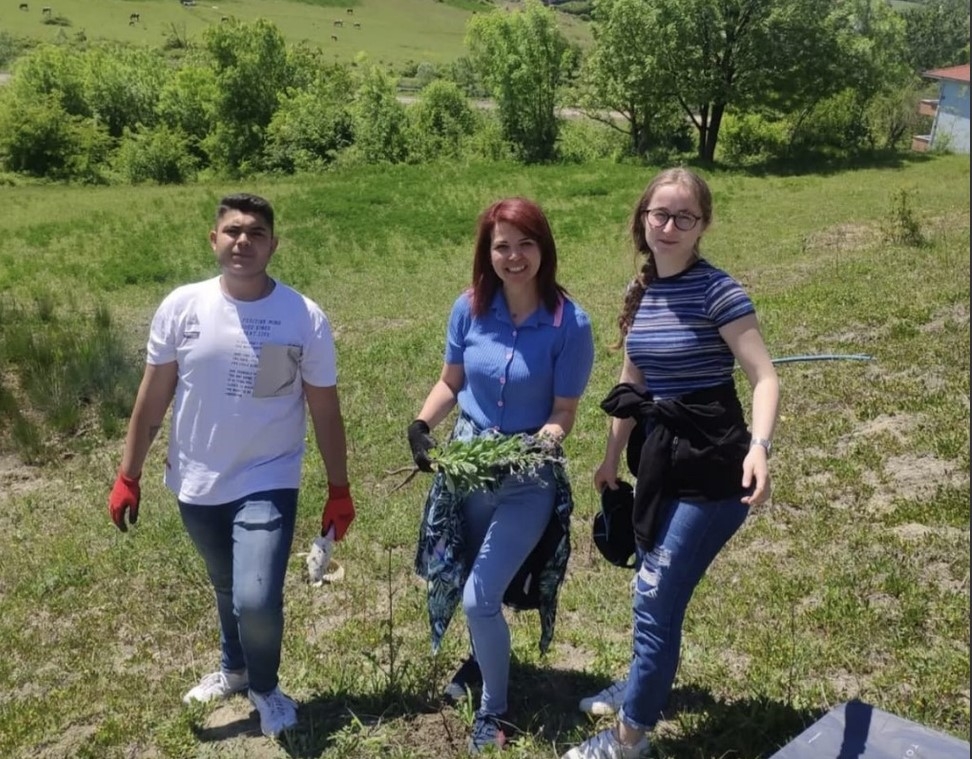
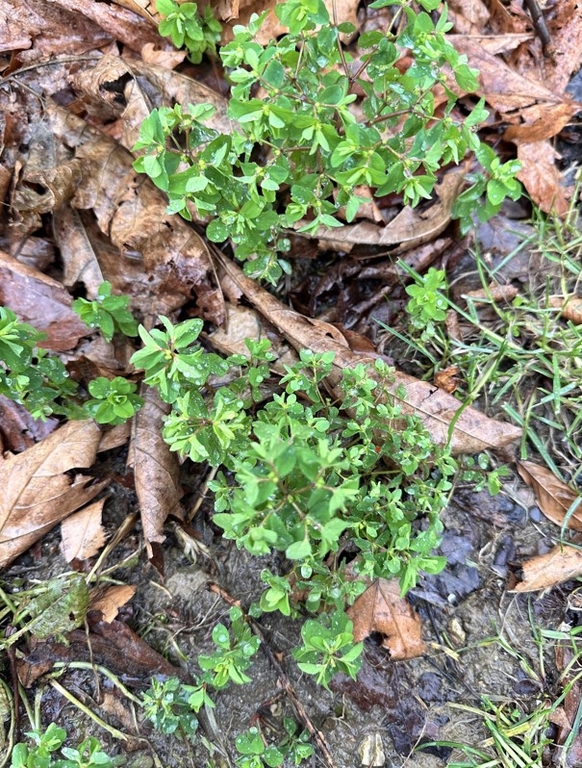
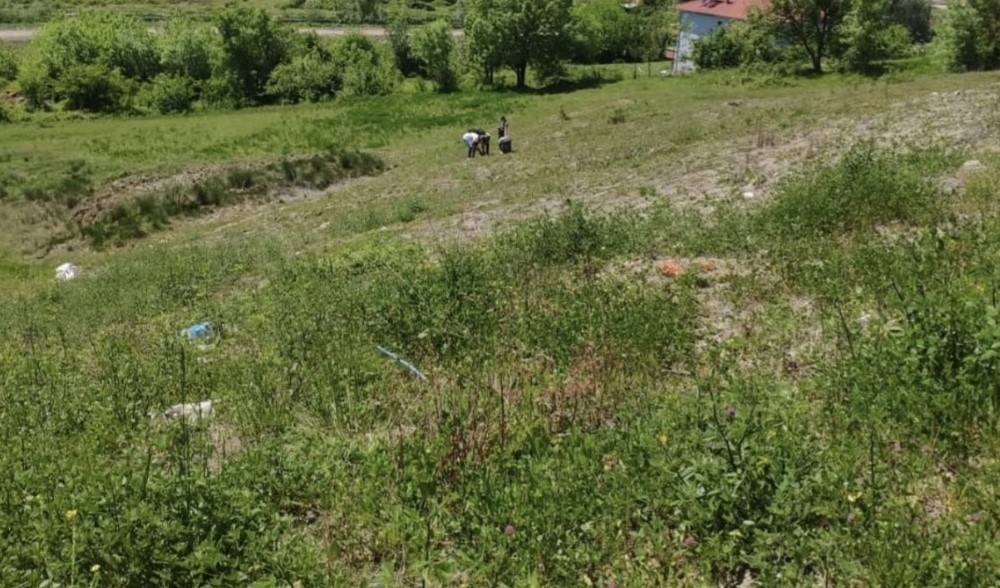
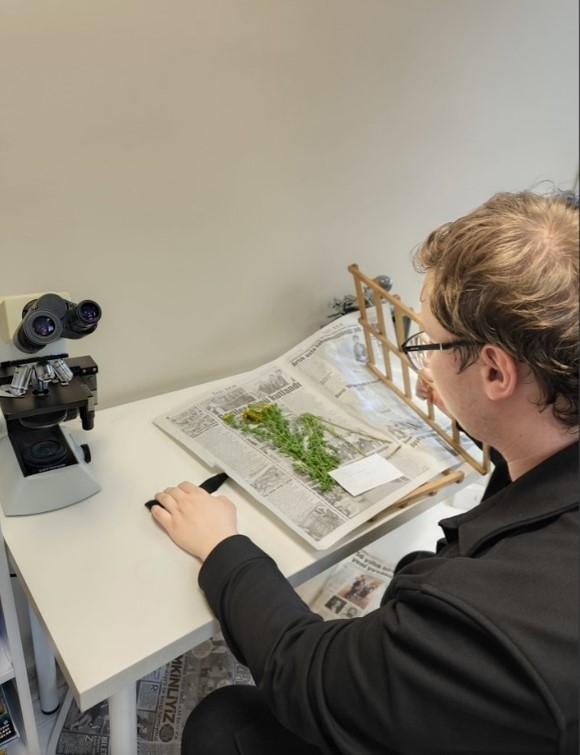
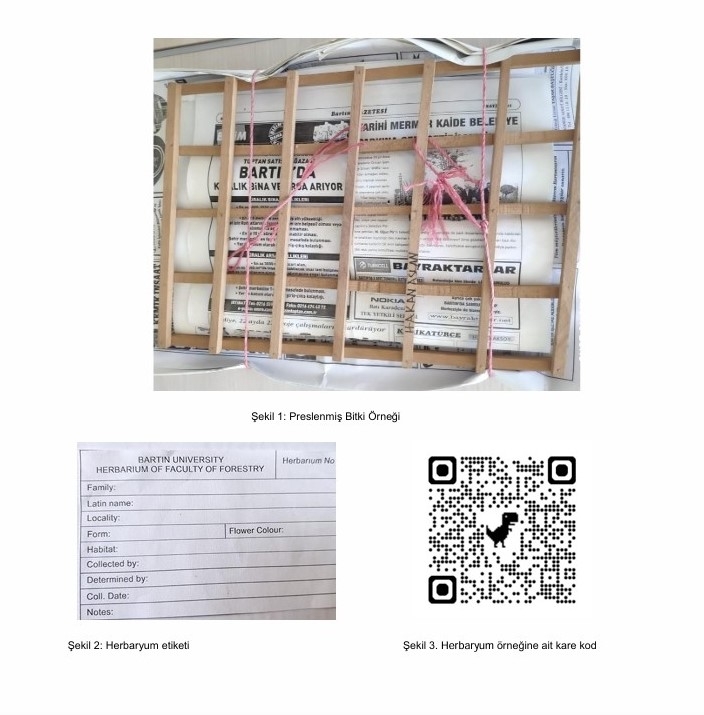
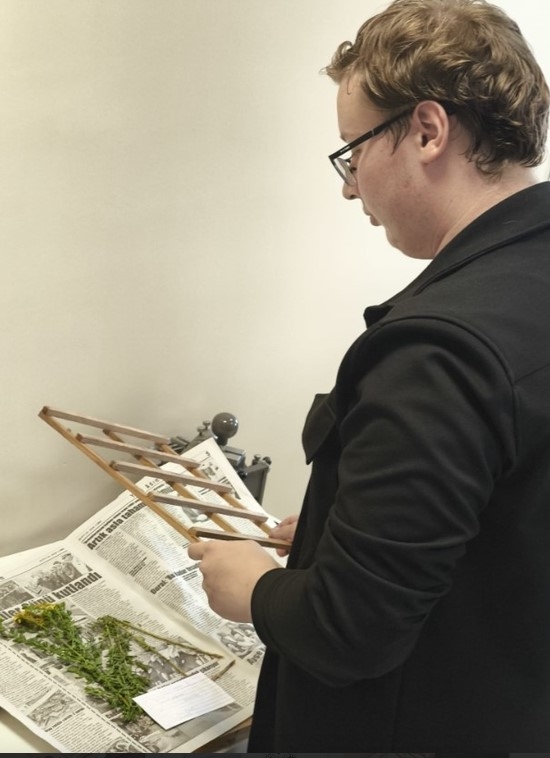
Plants collected during fieldwork were placed in wooden presses measuring 45*30 cm and brought to the herbarium preparation room. A pickaxe and short shovel were used to remove the plants from the soil. For each specimen, collection numbers were written in a field notebook, along with necessary notes (province, district, location, altitude, date, etc.) next to the numbers. The same number was written on a separate piece of paper and placed between the newspaper sheets in which the plant was placed. Plant specimens were collected in batches of at least two, ensuring that parts such as flowers and fruits were present. Ideal plants were collected and immediately brought to the Bartın University, Forestry Engineering, Forest Botany laboratory for pressing, placed between newspaper sheets. Photographs of each collected plant were taken from different angles in their natural habitat. After fieldwork, the plants were brought to the herbarium preparation room (laboratory) where they were examined and identified by matching them with photographs taken in the field. For plant identification, Davis's Flora of Turkey and East Aegean Islands (Davis, 1965-1985; Davis, 1988), All Trees and Shrubs of Turkey (Akkemik, 2014), and List of Plants of Turkey (Vascular Plants) (Güner, 2014) were used. During the pressing and drying process, each plant specimen was preserved between newspaper sheets so that all parts were neatly and easily visible, and the newspaper sheets were changed daily until the plant specimens were completely dry. While pressing the plants, the plant specimen was placed inside a single folded newspaper sheet, and these newspapers containing the plant specimen were temporarily stacked on top of each other. The field number recorded in the field notebook for that plant was written on each newspaper. Following the drying process, plant materials were glued onto 30x41cm herbarium cardboard sheets (standard weight Bristol board), and a label containing information about the specimen was affixed to the lower right corner of each herbarium cardboard sheet. Each dried, pressed, and labeled herbarium specimen was assigned a herbarium collection number. Following these procedures, the plant specimens glued to the cardboard sheets were placed in a deep freezer for one week as a precaution against insect contamination. The most commonly used system for classifying herbarium specimens is the Dalle Torre and Harm system, which is based on the Engler-Prantl system (Simpson, 2012). Herbarium specimens prepared according to storage conditions were placed in metal herbarium cabinets using the Engler-Prantl system and stored in metal cabinets. Herbarium fumigation was performed to prevent insect contamination.
Fotoğraflar